

'High-Performance Aluminium Industry': Aluminium Days Open at VDNH
Source

Source:
Aluminum Association
Source
28.02.2024 - Aluminium Association
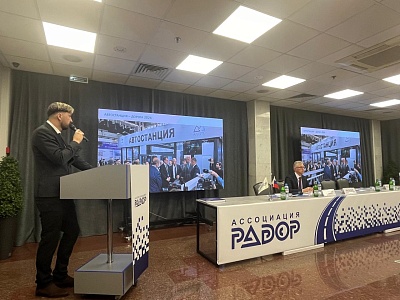
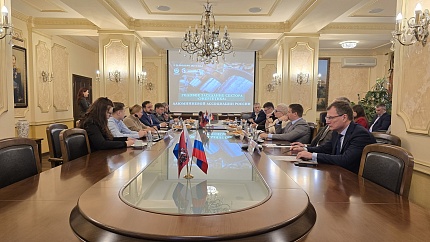
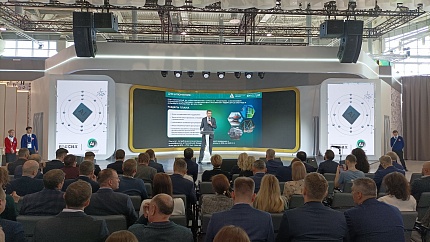
The plenary session 'High-performance Aluminium Industry' was the first in a series of Aluminium Days events. The event was attended by Viktor Evtukhov, State Secretary and Deputy Minister of Industry and Trade of the Russian Federation; Irina Kazovskaya, Co-Chair of the Russian Aluminium Association; Sergey Muzychenko, Deputy Minister of Construction and Housing and Communal Services of the Russian Federation; Sergey Pikin, Director of the Energy Development Fund; Valery Seleznev, First Deputy Chairman of the State Duma Committee on Energy; Rinat Ayupov, a member of the State Duma Committee on Transport and development of transport infrastructure; Evgeny Vasiliev, Director of Internal Market Development at UC Rusal.
Denis Manturov, the Deputy Prime Minister of the Russian Federation and Minister of Industry and Trade, gave a welcoming speech at the session. 'Russian aluminium smelters provide employment for over 600,000 people. They run a widely spread range of industrial facilities and actively contribute to ensuring Russia's technological independence,,' his address noted.
The participants of the session highlighted that the aluminium industry is a significant driver of the Russian economy, and the domestic market for aluminium producers is characterised by a diverse range of participants.
According to Viktor Evtukhov, the State Secretary and Deputy Minister of Industry and Trade of the Russian Federation, the share of the Russian aluminium industry in GDP has recently reached 1.5%. Russia ranks second in the world in terms of primary aluminium production, making 4.1 million metric tonnes per year.
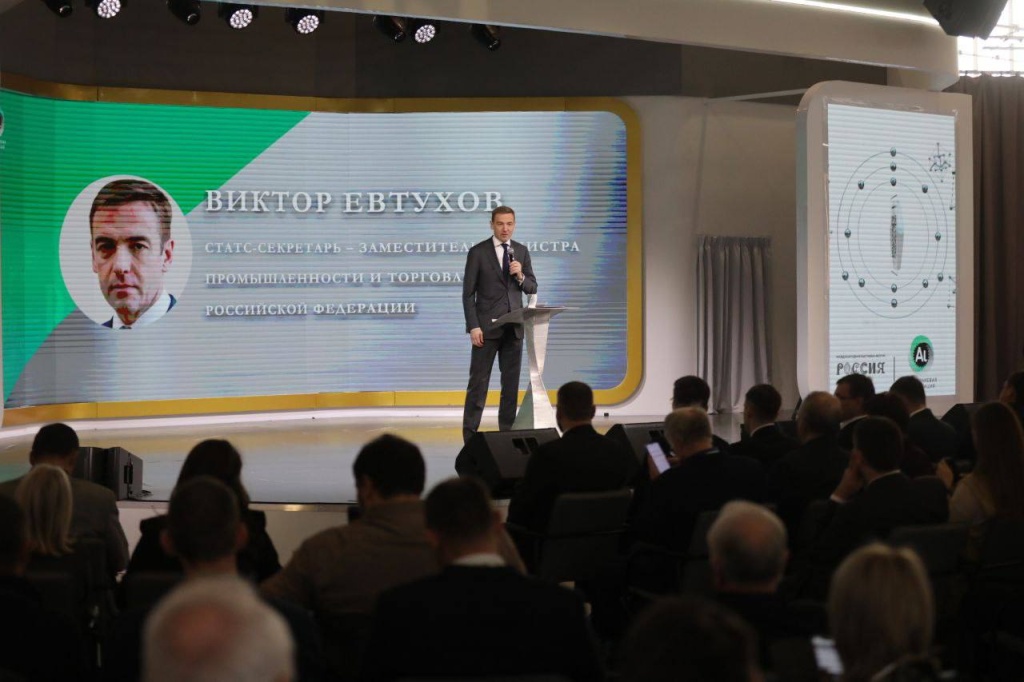
'Nowadays, Russia's aluminium industry is a benchmark of economic growth. The per capita consumption of aluminium is a commonly used indicator of the overall level of industrial and economic development in a country,' said Viktor Yevtukhov.
The deputy minister highlighted that the consumption of aluminium in our country has almost tripled in the past 8 years, rising from 3.5 to 10 kilograms per capita.
'The Russian Ministry of Industry and Trade is not only focused on increasing domestic demand for downstream aluminium products but also on promoting related high-tech industries. This is in line with the policy of strengthening our country's technological and raw material sovereignty,' Viktor Yevtukhov added. 'The rapid growth of high-tech sectors such as energy, automotive, and aviation ensures a continuous demand for domestic deeply processed aluminium products. This, in turn, fosters the development of expertise at all levels of the processing stream. To achieve this, we are taking steps to support the launch of new, high-tech production facilities for the aluminium industry. According to experts, we have the potential to produce and process at least two million metric tonnes of aluminium in the next few years. This volume is not only earmarked for domestic consumption, but also should serve to surprise and interest partners from other countries.' Action Plan for stimulating projects.
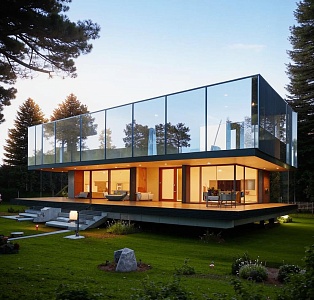
Deputy Minister of Construction and Housing and Utilities of the Russian Federation Sergey Muzychenko highlighted that aluminium has become a crucial material for the construction sector, that accounts for over 25% of its total consumption. Furthermore, the use of aluminium structures in construction is on the rise. Aluminium is widely used in buildings and structures, including bridges, facades, glazing, and noise screens.
'The transition to load-bearing building structures is a promising approach that could be highly beneficial in areas prone to earthquakes in our country,' said Sergey Muzychenko. 'Last year, a road bridge with load-bearing structures made of aluminium alloy was commissioned in the Nizhny Novgorod region. This project is significant for the development of aluminium bridge construction in our country as a whole.'
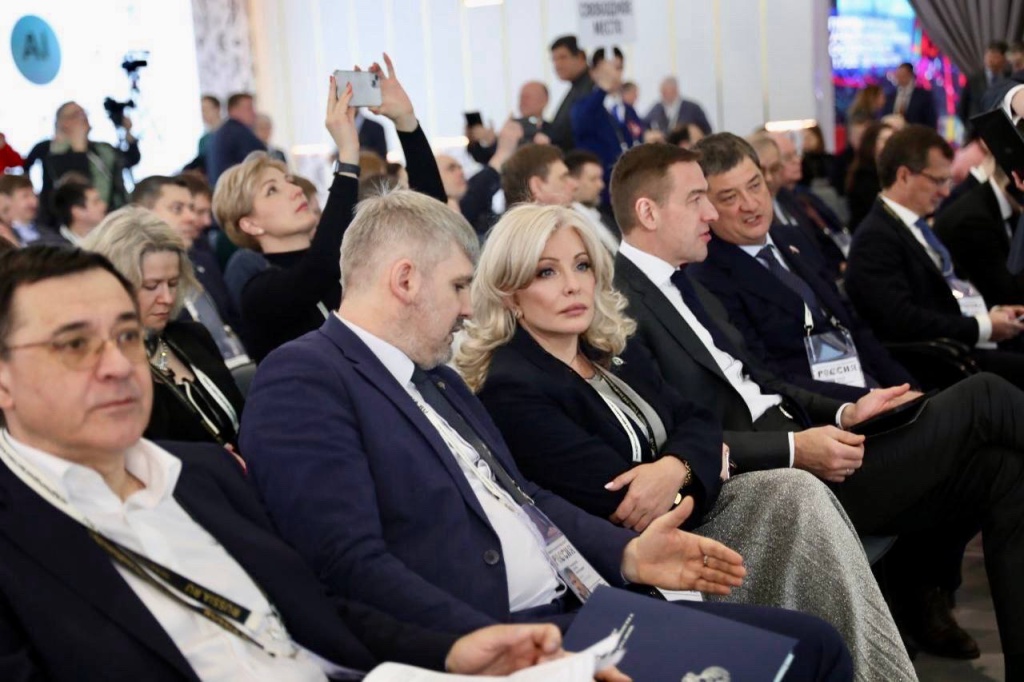
According to Irina Kazovskaya, Co-Chair of the Russian Aluminium Association, the aluminium industry is currently facing unprecedented external pressure and unfavorable global conditions. The exchange prices for aluminium have dropped by more than 40% compared to the top numbers of previous years. Trade and logistics channels have been disrupted, and companies face a high social burden. This significantly hinders investment in developing new capacities and modernising.
'Driving domestic demand is the most important task that market players must address together. This can be done by creating new products, informing consumers about their advantages, and improving product quality and consumer properties through better technological processes.,' said Irina Kazovskaya. 'We believe that the growth of consumption should come from the regions. This will benefit both the aluminium industry by creating more demand and the regions themselves. The regions will receive modern solutions for infrastructure and social projects, as well as additional incentives for the growth of industrial companies.'
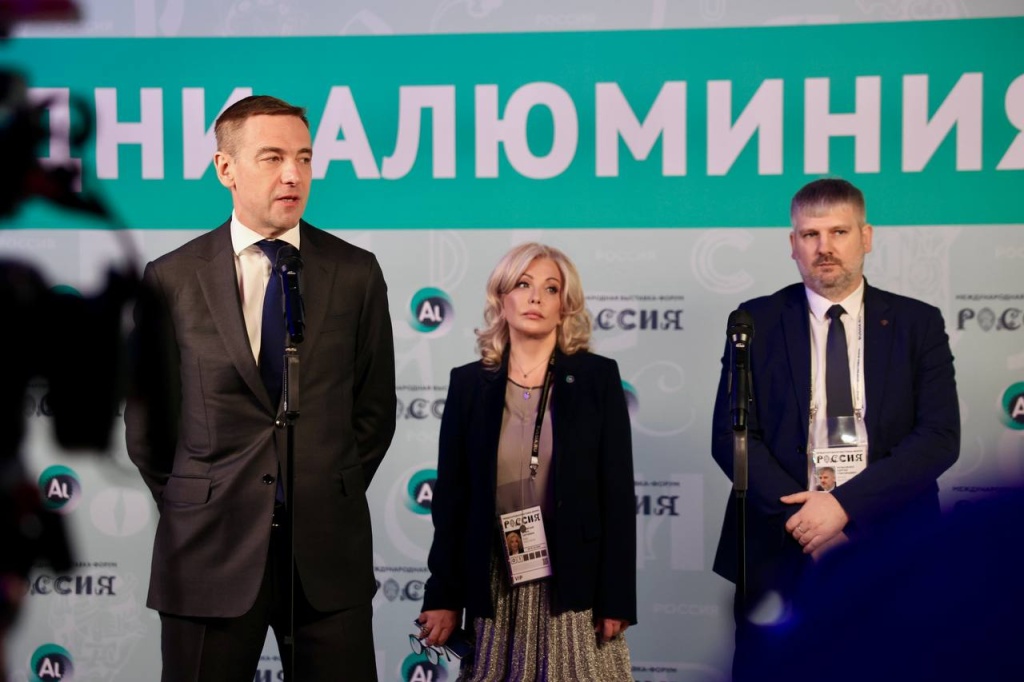
Irina Kazovskaya also mentioned that standardisation and technical regulation are essential tools. 'In recent years, we have made strides in enhancing the regulatory framework. Naturally, we must remember about protecting the market and restoring our aluminium product exports.'
Another subject of discussion was the green economy. Aluminium is a valuable material because it is lightweight, strong, ductile, corrosion-resistant, and can be processed in various ways. In fact, 80% of the total aluminium produced in the history of the industry is still in use today. The long lifespan and low cost of ownership make aluminium solutions more affordable compared to traditional materials.
'The increasing focus on environmental issues, energy conservation, and improving efficiency in today's world has led to a growing demand for aluminium products around the world. This is because aluminium solutions have already proven to be effective in meeting the requirements of a closed-loop economy. The Russian market is no exception in this regard. We have a great opportunity to make significant progress by building our own expertise and establishing technological chains within the country,' said Irina Kazovskaya.